Ford's next electric pickup has entered a political fight before reaching a single customer's driveway. At the center is its battery: American manufacturing, Chinese technology, and a price that depends on making the combination work.
The Fathom starts at an advertised $28,350 before destination and delivery. Ford's battery strategy helps explain how it intends to reach that price - and why the company is defending its relationship with CATL. The price is listed on Ford's official Fathom page.
Who actually builds the battery?
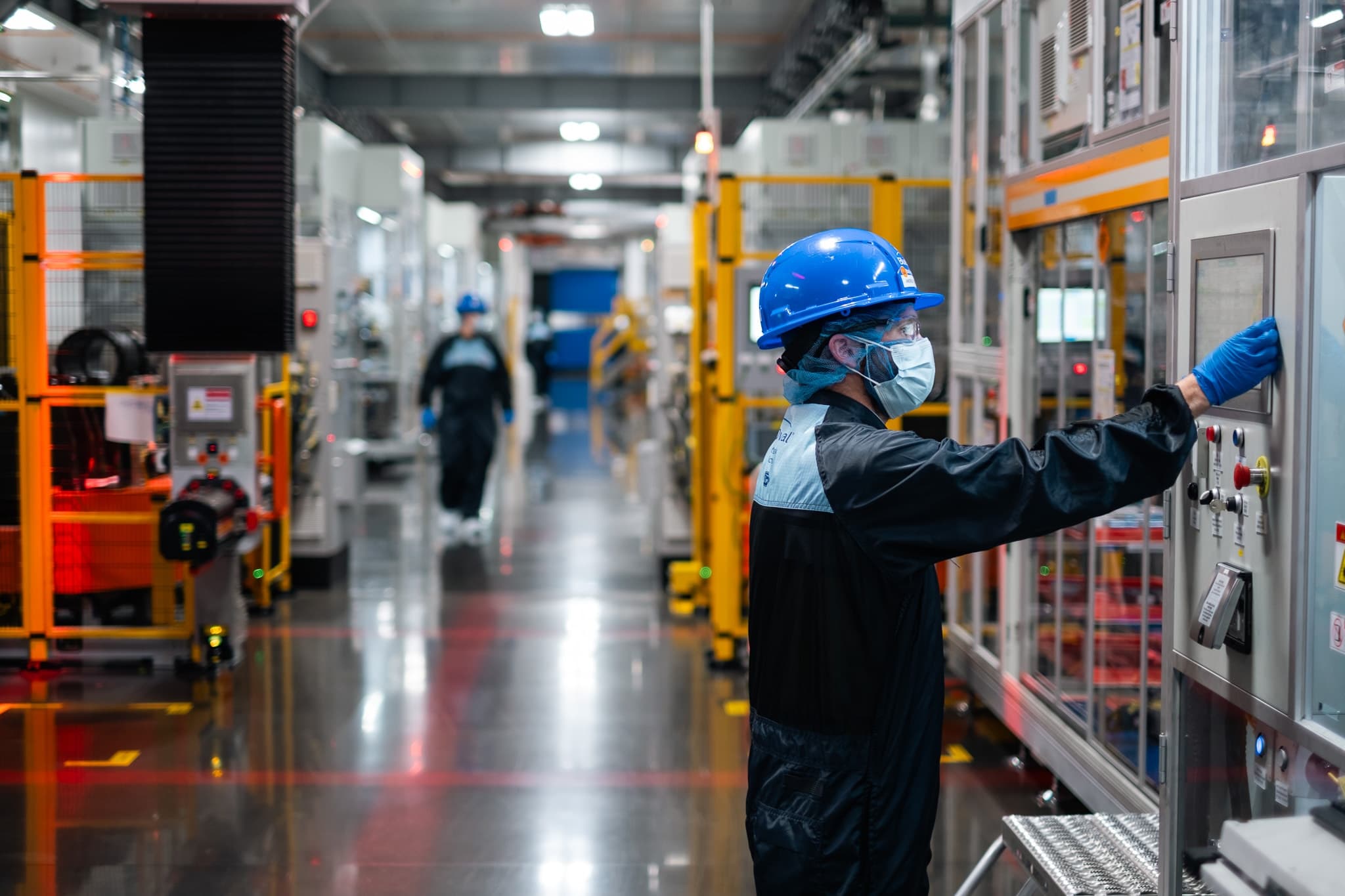
The manufacturing plan centers on BlueOval Battery Park Michigan in Marshall, where Ford is bringing CATL's battery technology into its own operation.
Ford's September 8 statement makes the arrangement clear: Ford owns the factory, controls its operation, and employs its workforce. CATL provides technology and services under a licensing agreement. The facility represents approximately 1,700 American jobs, according to Ford's statement.
That distinction matters. A company can manufacture a product in the United States while licensing the technology behind it from overseas. The location of production and the origin of the intellectual property answer different questions.
For the Fathom, the intended combination is battery production in Michigan using technology developed by CATL.

Why the CATL deal became a political issue
In September, U.S. Transportation Secretary Sean Duffy challenged Ford's connections with Chinese companies. The battery agreement became a central part of that dispute, as described in September reporting on the dispute.
The criticism concerns dependence on Chinese technology: owning a factory does not necessarily mean a manufacturer can operate independently of the company supplying its production expertise. Ford's response emphasizes domestic investment, local employment, and control of the operation.
Both sides are discussing something more specific than where the battery is assembled. The question is how much technological dependence an American manufacturing operation should accept.
Ford is betting that licensing established technology will help it build affordable batteries in the United States. Critics question the dependence that remains after production moves here.
Why this matters to the Fathom's price
Ford's Michigan battery project was conceived around lower-cost lithium iron phosphate batteries, commonly called LFP. Affordability was a stated goal when the company announced the plant in 2023, according to Associated Press coverage of the original announcement.
For a pickup competing near the price of an ordinary gasoline vehicle, that choice matters. Buyers in this category have limited room for an expensive battery option. The standard truck has to be useful at the advertised price.
Ford currently lists the Fathom's standard-range version at $28,350 plus $1,595 destination and delivery, bringing those two charges to $29,945 before taxes, dealer documentation fees, and options. Ford itemizes both figures in its pricing FAQ.
Our view at FathomMods: the battery strategy makes commercial sense if it produces a truck people can comfortably use without immediately moving to a more expensive configuration. An attractive base price only works when the base vehicle meets buyers' needs.
What the CATL name does - and doesn't - tell buyers
A technology supplier's name cannot tell you how far a finished truck will travel, how long a charging stop will take, or what ownership will cost after several years.
Those are the details that deserve attention as Ford releases more information:
- Usable range: Can the standard battery handle your normal driving with room to spare?
- Charging performance: How long will a typical highway charging stop actually take?
- Warranty coverage: What capacity loss will Ford cover, and under what conditions?
- Repairability: What happens if the battery needs service outside warranty?
Ford's current Fathom FAQ says projected EPA-estimated range figures are not yet available. Until those arrive, a confident verdict on the standard battery would be premature. The same Ford FAQ provides the latest official range status.
The same applies to claims about exceptional lifespan or charging speed. Technology used elsewhere by CATL should not automatically be treated as a confirmed Fathom feature.
Our take: judge the truck Ford delivers
We see a practical argument for building batteries in Michigan with licensed technology. It creates a domestic manufacturing operation and gives Ford a route toward the affordable electric pickup it has promised.
The licensing relationship still deserves scrutiny. Ford should be clear about its dependence on CATL, just as it should be clear about battery performance and warranty terms.
For future owners, the decisive test will come after the political headlines: Does the roughly $30,000 truck offer enough range, reasonable charging stops, and dependable service support?
Ford has explained who owns the factory. Now it needs to show buyers what the battery can do.