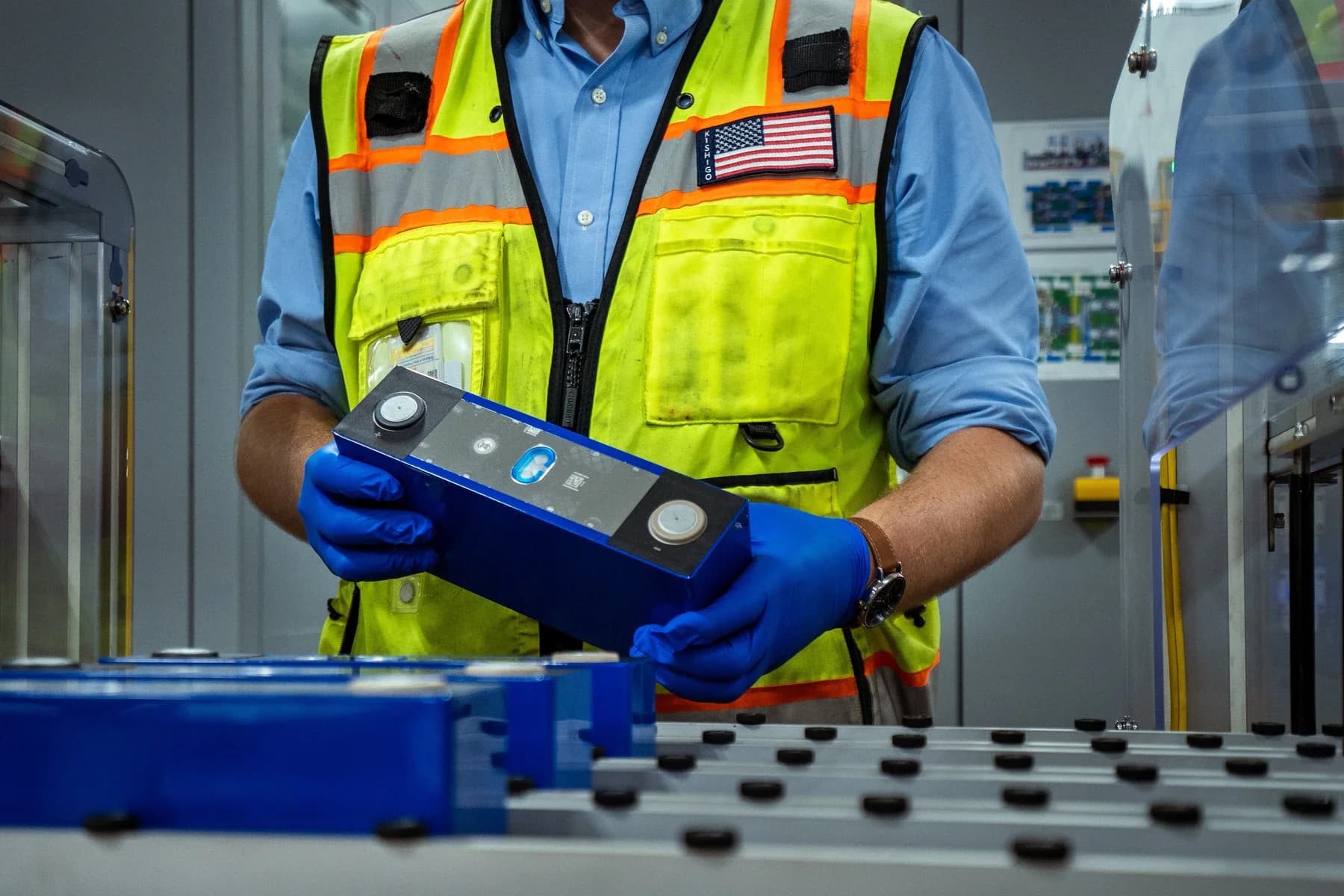
Ford now has Michigan-made battery cells to put in its next electric pickup. On November 18, the company said its first lithium iron phosphate (LFP) cells from BlueOval Battery Park Michigan were headed to Louisville Assembly Plant to power Ford Fathom prototypes.
The shipment gives Ford cells from its own factory to work with as it develops the truck. In its November 18 manufacturing update, Ford said it plans to bring the Marshall battery pack plant online in 2027 ahead of the Fathom launch.
- Marshall, MIFord makes its first prismatic LFP cells.
- Louisville, KYFirst shipment goes to Louisville Assembly Plant.
- Fathom prototypesFord uses the batteries in ongoing truck development.
What Ford is putting into the prototypes
The prismatic cells are rectangular, and Ford designed the pack that holds them to double as part of the truck’s structure. Ford says the LFP chemistry uses no nickel or cobalt, which helps control cost. The structural design is another part of that effort, since the pack does some of the work the chassis would otherwise have to do.
Ford says its Michigan production lines can turn out 40 cells per minute. That figure describes the cell line’s capability. Estimating how many trucks Louisville can build would also require knowing how many cells each pack uses, how fast Ford can assemble packs and what the truck line can sustain.
What this changes for buyers
Ford’s Fathom page still points to preorders in early 2027. Ford CEO Jim Farley gave a more specific launch target on the October 28 earnings call and said the launch was on track for the fourth quarter of 2027. The two dates describe different milestones, and the prototype shipment came with no new customer delivery date.
We’ll be watching for the pack plant to come online and for Ford to publish the retail truck’s range and charging figures. Those numbers will tell buyers what the standard-range battery can do on a winter commute or a long weekend drive. For background on how Ford brought the technology to Marshall, see our coverage of the Ford–CATL licensing deal.